


What Are the Early Warning Signs of Gum Disease — and Can It Be Reversed?
Gum Disease Often Starts Quietly
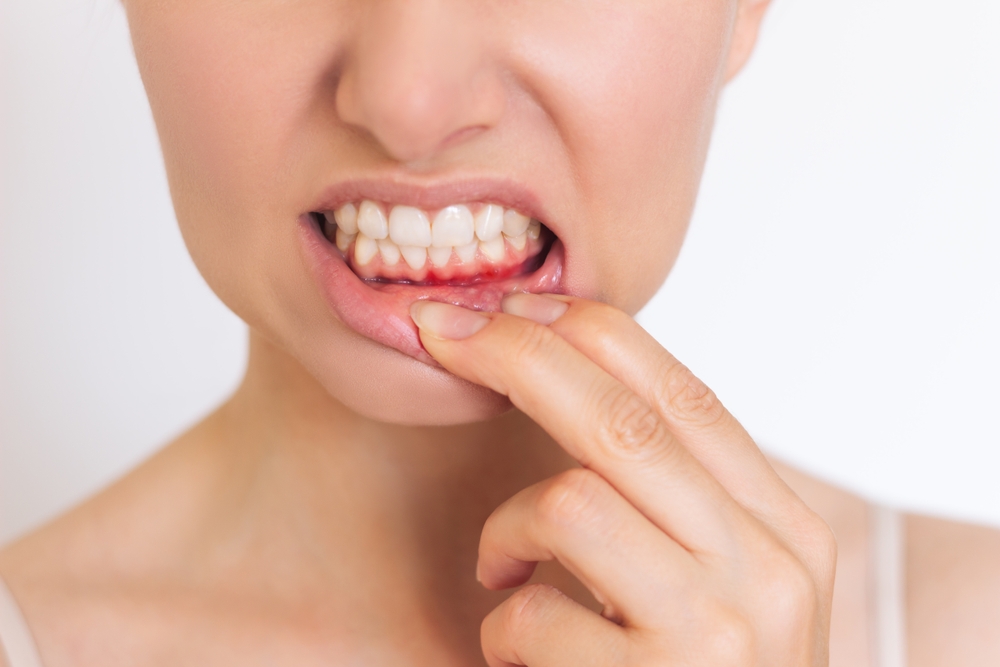
Gum disease does not always cause pain at first, which is why many patients do not realize something is wrong until symptoms become more noticeable. In its earliest stage, called gingivitis, the gums become irritated and inflamed due to plaque buildup around the teeth and gumline.
At our office, we look for early changes in your gum health during routine dental exams so we can help address concerns before they become more serious.
Early Warning Signs To Watch For
Some signs of gum disease are easy to overlook, especially if they come and go. Bleeding while brushing or flossing is one of the most common early symptoms, but it is not the only one.
Other warning signs may include:
- Red, swollen, or tender gums
- Bleeding when brushing or flossing
- Persistent bad breath
- Gum recession or teeth that look longer
- Sensitivity near the gumline
- Loose teeth or changes in how your bite feels
If you notice any of these symptoms, it is a good idea to schedule a dental visit instead of waiting to see if they improve on their own.
Can Gum Disease Be Reversed?
In many cases, early gum disease can be reversed when it is caught at the gingivitis stage. This usually involves a professional dental cleaning, improved brushing and flossing habits, and regular monitoring.
Once gum disease progresses into periodontitis, the damage becomes more difficult to reverse. At that stage, the infection can affect the bone and supporting structures around the teeth. Treatment can still help manage the condition, protect your smile, and reduce the risk of further damage.
Why Bleeding Gums Should Not Be Ignored
Many people assume bleeding gums are normal, especially if they brush too hard or have not flossed in a while. While brushing technique can play a role, bleeding is often a sign of inflammation.
Healthy gums should not bleed regularly. If your gums bleed often, it may mean plaque and bacteria are irritating the tissue. Addressing this early can help prevent gum disease from advancing.
How We Check For Gum Disease
During a dental exam, we evaluate more than just your teeth. We check your gum tissue, measure the spaces between your teeth and gums, and look for signs of inflammation, recession, or bone loss.
These measurements help us understand whether your gums are healthy or if periodontal care may be needed. Regular dental visits allow us to track changes over time and recommend treatment before small issues become larger problems.
How To Protect Your Gum Health At Home
Good home care is one of the most important parts of preventing gum disease. Brushing twice a day, flossing daily, and keeping up with professional cleanings all help reduce plaque buildup.
It is also important to be consistent. Even small daily habits can make a meaningful difference in your long-term oral health. If you are unsure whether you are brushing or flossing effectively, we can show you techniques that better support your gums.
To schedule a gum health evaluation, contact John K. See, DDS in Camarillo, CA by calling (805) 482-1984.
Helpful Articles

Services
Learn More
Keep
In Touch
Our Affiliations



Interested in our
Services?
Request appointment with this form to schedule a time with our professional staff!
Address: 3801 Las Posas Rd #203
Camarillo, CA 93010
Camarillo, CA 93010
Phone: (805) 482-1984
- MondayClosed
- Tuesday8:00 AM - 5:00 PM
- Wednesday8:00 AM - 5:00 PM
- Thursday8:00 AM - 5:00 PM
- Friday8:00 AM - 5:00 PM
- SaturdayClosed
- SundayClosed
Powered by: 
